Introduction
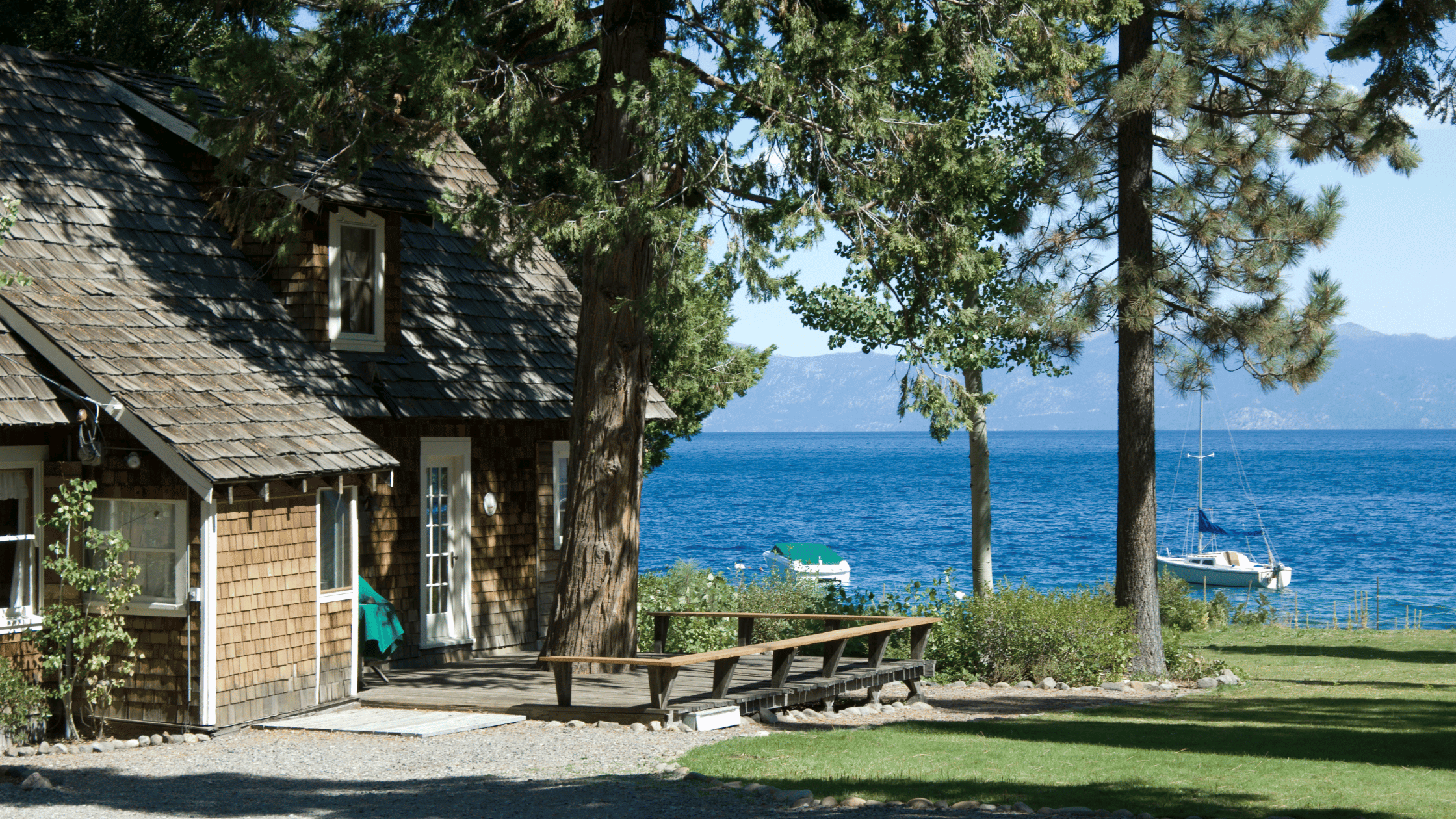
Owning a vacation property is a dream for many—imagine escaping to your own seaside villa, forest cabin, or mountain retreat whenever the mood strikes. It’s not just a lifestyle upgrade; for some, it can also be a smart long-term investment or a source of rental income.
However, the path to owning a vacation home isn’t all sunsets and fresh air. Like any real estate decision, it comes with financial, legal, and logistical considerations that require careful thought. Before you sign the deed and plan your first getaway, it’s important to understand what you’re really getting into.
This guide will walk you through everything you must know before purchasing a vacation property—so you can make an informed decision that aligns with your goals, lifestyle, and budget.
Define Your Purpose First
Before browsing listings or calling a real estate agent, clarify why you want to own a vacation property. Your reason will shape everything—from location and budget to maintenance planning.
Common Reasons People Buy Vacation Homes:
- Personal use: A getaway spot for family holidays and relaxation.
- Investment: A property that appreciates over time.
- Rental income: Listing it on Airbnb or Booking.com for short-term stays.
- Future retirement home: Using it now for vacations, then retiring there later.
The clearer your purpose, the easier it will be to identify the right property and avoid costly mistakes.
Consider the Location Carefully
Location is everything, especially for vacation properties. The “perfect spot” depends on your preferences, but it should also align with your usage goals.
Ask yourself:
- Is it easily accessible from your primary home?
- What’s the climate like year-round?
- Is it in a high-demand tourist area (if renting is a goal)?
- Are there local attractions, restaurants, or natural beauty?
- What are the local rules regarding foreigners owning property (if applicable)?
Also, look into future development plans in the area. That quiet beachfront might not be so peaceful in five years if a resort is being built next door.
Be Realistic About Costs
Buying a vacation home isn’t just about the purchase price. There are numerous ongoing expenses that many buyers overlook.
Consider:
- Property taxes: Vacation properties may have higher tax rates in tourist zones.
- Insurance: If the area is prone to flooding, earthquakes, or hurricanes, your premiums will be higher.
- Utilities: Electricity, water, and internet may be costlier in remote areas.
- Maintenance: Properties in coastal or mountain areas often require more upkeep due to salt, humidity, or snow.
- Property management: If you’re not there full-time, you may need to hire someone to look after the place.
Pro Tip: Budget for at least 1–2% of the property’s value annually for upkeep.
Understand Legal and Ownership Issues
Each region has its own rules regarding property ownership, especially for non-residents. Research local laws, and if buying overseas, consult a lawyer or property expert in that country.
Key legal considerations include:
- Title ownership laws
- Rental regulations
- Zoning restrictions
- Homeowners’ association (HOA) rules
- Resale and inheritance laws
Failure to understand these can result in fines or limitations on how you use your property.
Calculate ROI If You Plan to Rent It Out
If generating rental income is part of your plan, treat the property like a business investment. Do the math—don’t assume it’ll be profitable just because it’s in a beautiful location.
Research:
- Average nightly rates in the area
- Occupancy rates during peak and off-season
- Local competition (including hotels and other rentals)
- Fees from platforms like Airbnb or Vrbo
- Licensing requirements or local taxes on short-term rentals
Also, keep in mind that managing a rental property—even with a local agent—can take time and effort.
Think About Accessibility and Travel Time
A vacation property that’s too difficult or expensive to reach can end up underused. Before buying, consider:
- Driving distance: Is it close enough for weekend trips?
- Public transport or airport proximity: Especially important if friends or family will visit.
- Road conditions: Are roads usable in all seasons?
- Travel costs: Flights, ferries, fuel, and tolls add up.
If you plan to use the property often, accessibility is key to making it a worthwhile purchase.
Seasonal Use and Off-Peak Limitations
Vacation homes in tropical, mountain, or lakeside regions may have seasonal restrictions. You might love the beach in the summer—but what happens during the rainy season?
Ask yourself:
- Is the property usable year-round?
- Will you enjoy being there outside of peak season?
- Are there enough activities and amenities nearby during low-season periods?
Understanding seasonal trends can also help with rental income planning and avoiding maintenance surprises.
Think Long Term: Will It Still Suit You in 10 Years?
Your lifestyle may change over time. Will the vacation home still serve you if:
- You have kids or your kids move out?
- You switch jobs and relocate?
- You retire and want to live there full-time?
- Travel becomes harder or less appealing?
Buying a vacation home is a long-term investment—choose one that can adapt with your evolving life.
Plan for Maintenance and Management
Who will maintain your home while you’re away?
If you’re not nearby, consider:
- Hiring a local property manager or caretaker
- Installing security systems and smart home tech
- Partnering with a property management company for rentals
Without proper care, even a beautiful home can deteriorate fast—especially in humid, coastal, or mountainous environments.
Financing Can Be More Complex Than You Think
Securing a mortgage for a vacation home can be trickier than for your primary residence. Banks may require:
- Higher down payments (often 20–30%)
- Strong credit history
- Proof of income
- Additional paperwork if buying abroad
Some countries also limit foreign property financing, so you may need to pay in cash or explore private financing options.
Conclusion
A vacation property can be a wonderful lifestyle asset, a personal sanctuary, and even a profitable investment—but only if you go in with your eyes wide open. From clarifying your goals to researching local laws and planning for costs, every step matters.
Don’t let emotions drive your decision. Instead, take time to evaluate all aspects—from location and usage to maintenance and ROI. With proper planning, your vacation home can bring joy, relaxation, and long-term value for years to come.
Before you buy, be sure to consult a real estate expert in the area, assess your finances, and run the numbers. A dream vacation home should feel like a reward, not a burden.